
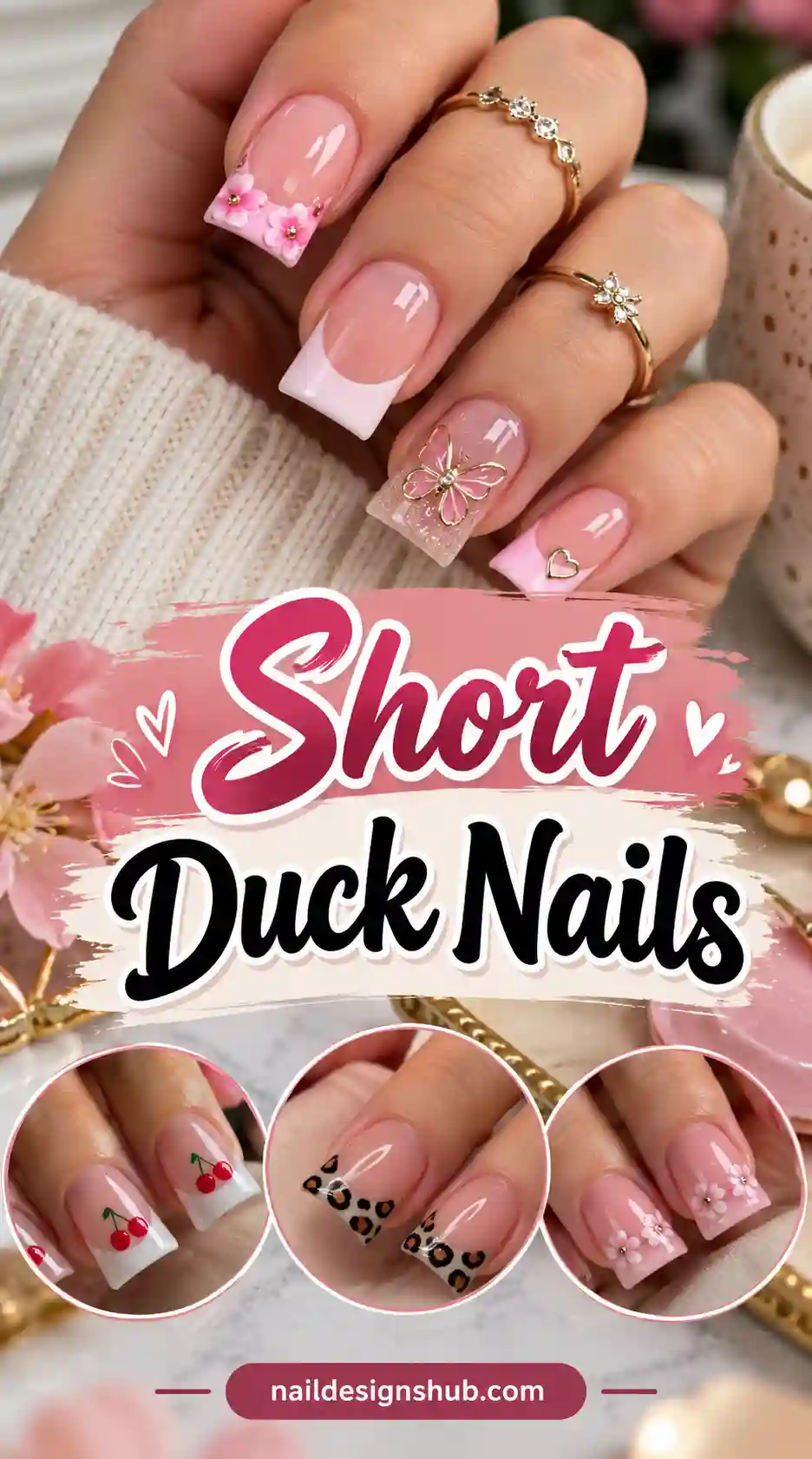
Short Duck Nails: The Bold Flared Shape Taking Over Modern Manicures
A few months ago a client showed me a photo on her phone and asked if I could recreate the shape without going anywhere near the length shown in the picture. That request led me down a whole new path in my studio, and now short duck nails have become one of the most requested shapes I do on a weekly basis.
If you have spent any time on nail inspiration pages lately, you have probably noticed this flared, slightly fanned out shape popping up everywhere. What makes short duck nails so appealing is that they give you all the drama and personality of the original duck shape without the length that scares off a lot of clients who are not used to wearing long nails.
I have been shaping and filing nails professionally for years, and I want to walk you through everything I know about short duck nails, from what actually defines the shape to how to file it correctly, which designs work best on it, and how to keep it looking sharp between appointments. This comes straight from real client experience in my chair, not just theory.
Also Read : White Nail Design: 40 Fresh Ideas, Expert Tips and a Complete How-To Guide
What Exactly Are Short Duck Nails
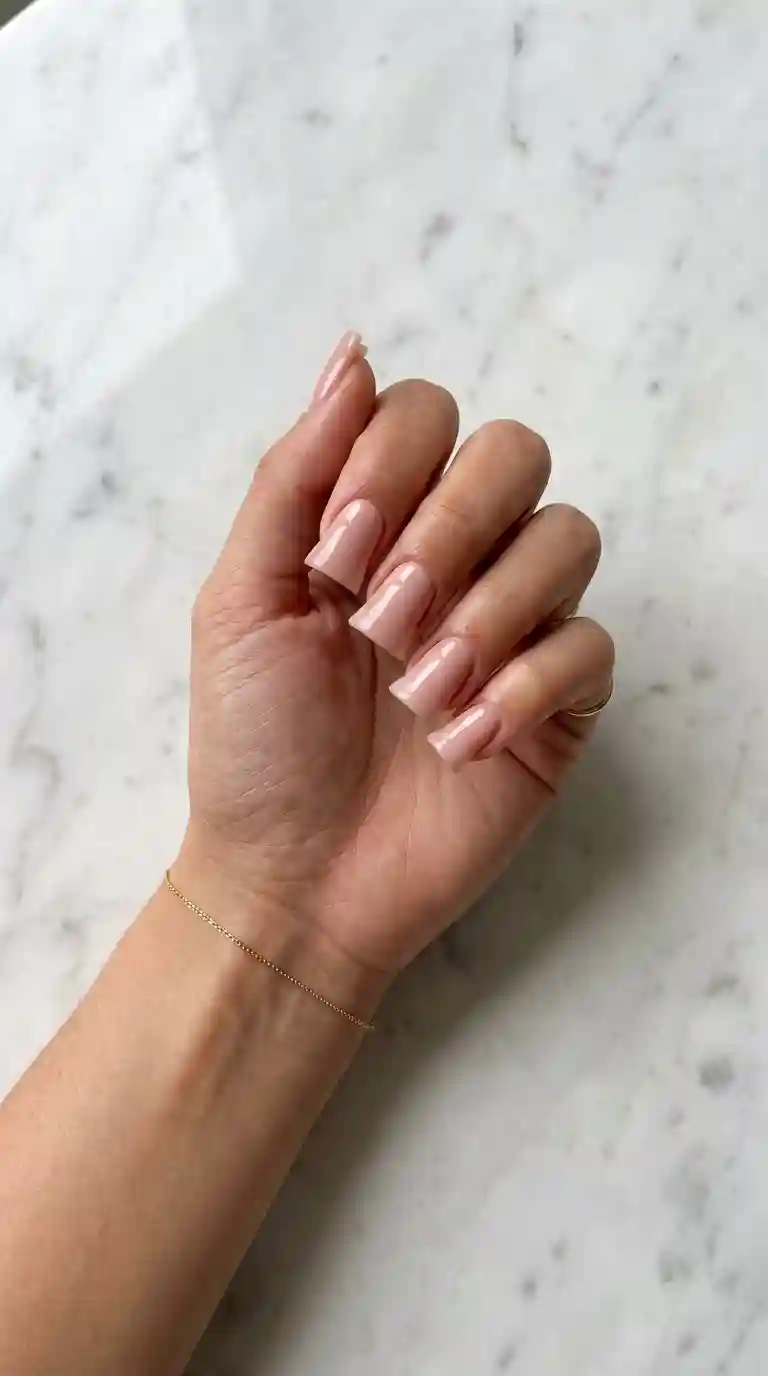
Short duck nails are a nail shape where the tip of the nail flares outward slightly, similar to a duck bill, but kept at a much shorter length than the traditional duck nail trend that first went viral online. Instead of long, dramatic flared tips, short duck nails give you that same fun, slightly wider silhouette at the tip while staying practical for everyday wear.
The defining feature of this shape is the flare. Starting from a narrower base near the cuticle, the nail gradually widens as it reaches the free edge, creating a shape that looks a bit like a fan or a duck’s bill when viewed from above. What sets short duck nails apart from the original trend is simply the length, which stays close to the fingertip rather than extending several centimeters beyond it.
I always tell clients that short duck nails are basically the wearable, everyday version of a shape that started out as a bold, statement making runway style. It keeps the fun, unique silhouette while being far more practical for typing, cooking, or just going about a normal day.
Why Short Duck Nails Are Becoming So Popular
Short duck nails have grown in popularity for a pretty simple reason, they let people try a trendy, eye catching shape without committing to the extreme length that made the original duck nail trend feel intimidating to a lot of people. Not everyone wants nails that stick out several inches past their fingertips, but plenty of people still want something more interesting than a standard square or round shape.
From what I have seen in my own studio, clients who ask for short duck nails tend to be people who want their manicure to feel a bit more fashion forward without sacrificing function. It has become a favorite among clients who work with their hands regularly but still want something that photographs beautifully and stands out on social media.
Another reason short duck nails keep gaining traction is how versatile the shape actually is. It works well with almost any nail art style, from simple solid colors to detailed french tips, and it flatters a wide range of hand shapes, which is not always true of more extreme nail shapes.
My Experience Shaping Short Duck Nails In The Salon
The first time a client asked me for short duck nails, I will admit I had to slow down and really think about proportions before I started filing. Getting the flare right without making the nail look uneven or awkward takes a bit more precision than a standard shape.
Over time, shaping short duck nails has become second nature to me, but I still remind newer clients that this shape requires a bit more maintenance than something like a classic square or oval. The flared edge needs regular upkeep to keep its clean silhouette as the nail grows out, since natural growth can start to blur that defined bill shape after a couple of weeks.
What I love most about working with short duck nails is how much personality the shape adds, even without any nail art on top. A solid color in this shape already looks distinct and stylish compared to a standard shape, which makes it a great option for clients who want their manicure to feel special without needing elaborate designs.
Must Read : Baby Blue Winter Nails: The Frosty Manicure Trend Taking Over Every Salon Chair This Season
How To Get The Perfect Short Duck Nails Shape
Getting short duck nails right really comes down to understanding the structure of the shape itself. The nail should start relatively narrow near the cuticle, then gradually widen as it moves toward the tip, finishing with a flat or very slightly curved edge at the end.
I usually begin shaping by filing the sides of the nail at a gentle inward angle near the base, then adjusting the angle outward as I move toward the free edge. This creates that gradual flare that defines short duck nails without making the transition look too sharp or unnatural.
Filing Technique For Short Duck Nails
The filing technique for short duck nails is honestly where most of the magic happens. I always recommend using a medium grit file for shaping and saving a finer grit for smoothing the edges once the basic shape is established. Rushing through this step tends to result in an uneven flare, which throws off the whole look of the finished nail.
Working on one hand at a time and comparing nails against each other as you go helps keep the shape consistent across all ten fingers. This is especially important with short duck nails, since even a small difference in the flare angle between nails can be noticeable once polish or nail art is added.
Short Duck Nails On Natural Nails Versus Extensions
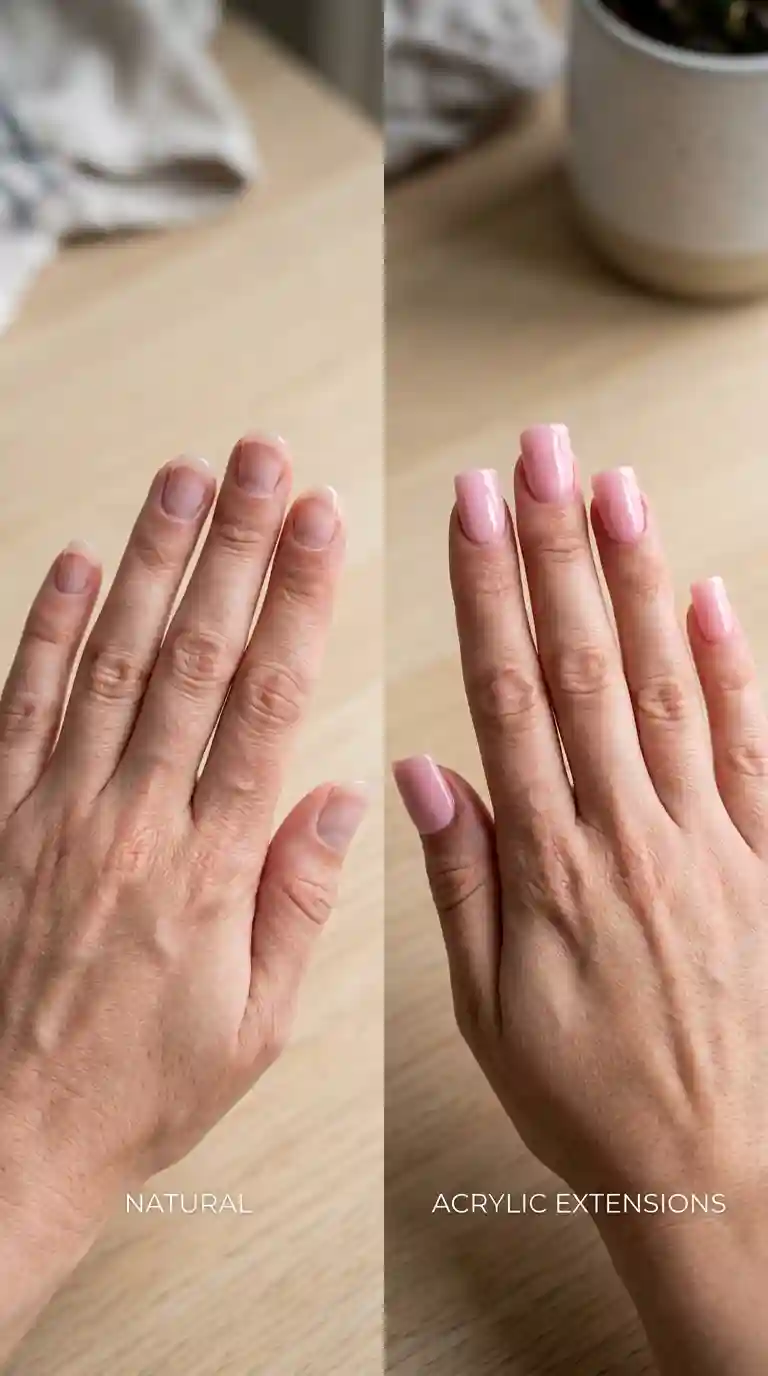
One question I get constantly is whether short duck nails can be achieved on natural nails or if extensions are required. The honest answer is that it depends on your natural nail length and strength. If your nails grow long enough and stay strong without much breakage, you can absolutely shape short duck nails directly on your natural nail bed.
For clients whose natural nails are shorter or a bit more fragile, a light acrylic or gel extension gives more material to work with when creating that flared silhouette. Even with extensions, the goal for short duck nails remains the same, keeping the overall length modest while still achieving that distinctive flared tip.
I generally recommend extensions for clients who are trying short duck nails for the first time, simply because it gives a bit more structural support while getting used to a shape that might feel unfamiliar at first.
Short Duck Nails For Square Shaped Nail Beds
Every hand and nail bed shape is a little different, and I always adjust how I approach short duck nails depending on what I am working with. For clients with naturally square or wide nail beds, the flare in short duck nails tends to look especially striking, since the width of the nail bed complements the widening shape at the tip.
With square nail beds, I sometimes soften the flare very slightly to avoid the nail looking overly wide at the tip, which can happen if the shape is exaggerated too much on an already broad nail bed. Finding that balance between the natural flare of the shape and the existing width of the nail keeps everything looking proportionate.
Short Duck Nails For Narrow Nail Beds
On the other hand, clients with narrower nail beds often see the most dramatic transformation with short duck nails, since the flare creates the illusion of a slightly wider nail overall. This can be a great option for anyone who feels self conscious about narrow nail beds and wants a shape that adds a bit more visual width without looking unnatural.
For narrower nail beds, I tend to lean into the flare a bit more, since there is generally more room to create that gradual widening effect without it looking exaggerated. This is one of the reasons short duck nails have become such a popular request among clients looking for a shape that flatters their specific hand proportions.
Best Nail Lengths For Short Duck Nails
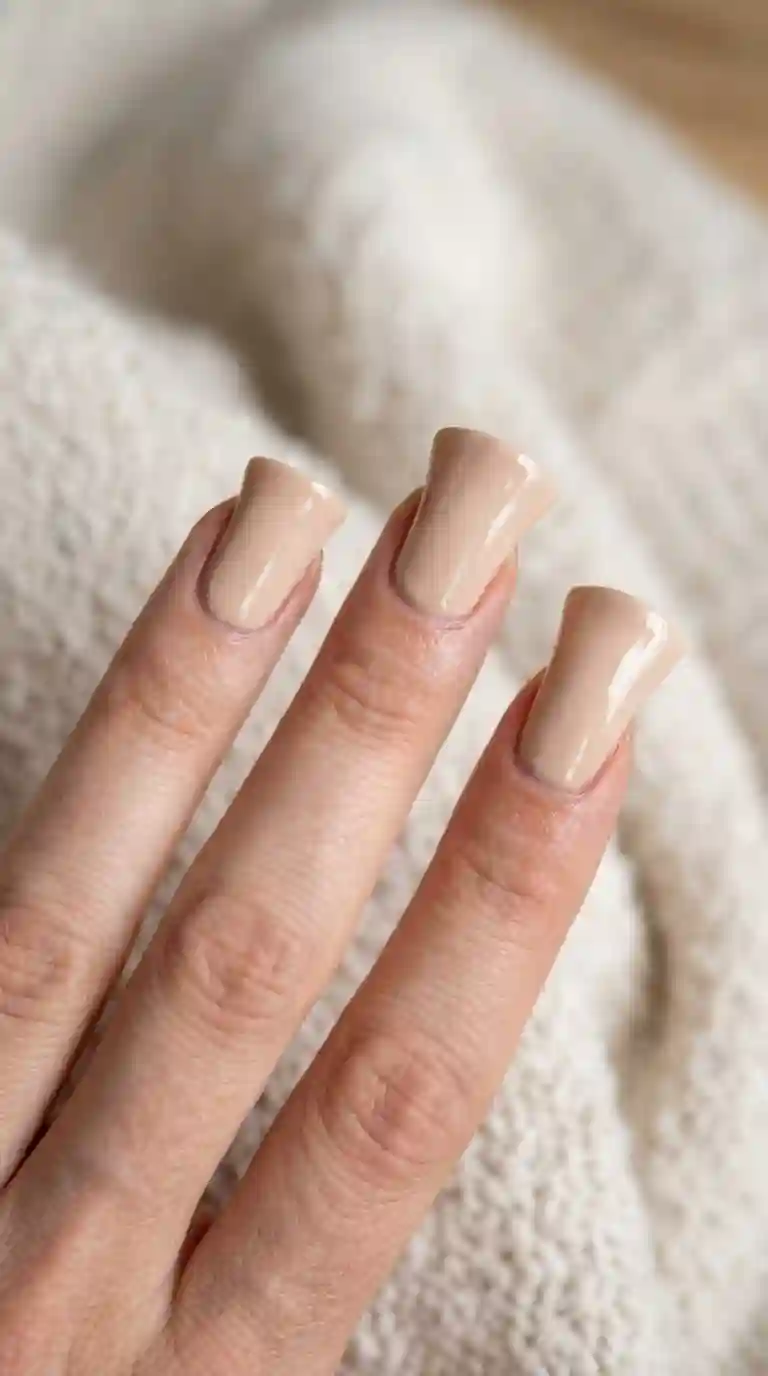
The word short does a lot of heavy lifting in the term short duck nails, and figuring out exactly how short works best is something I get asked about constantly. Generally, I recommend keeping the length somewhere between just past the fingertip to about a quarter inch beyond it, which is enough room to create a visible flare without venturing into the dramatic length associated with the original duck nail trend.
Read Also : Gorgeous Gray Nail Ideas That Will Instantly Upgrade Your Manicure Game
Going too short can sometimes make it difficult to achieve a clean, visible flare, since there simply is not enough nail surface to work with. Going too long starts to blur the line between short duck nails and the more extreme version of the trend, which may not be what every client is looking for.
I usually suggest starting on the shorter end for clients who are new to this shape and are not sure how they will feel about the flared silhouette day to day. It is always easier to add length in a future appointment than to deal with an unexpectedly dramatic shape right out of the gate.
Short Duck Nails Color And Design Ideas
Once the shape itself is established, short duck nails become an amazing canvas for pretty much any color or design you can imagine. Because the flared tip already adds visual interest, I often recommend clients keep the color simple to let the shape speak for itself, though bold designs absolutely work too if that is more your style.
Solid, glossy colors in shades like classic red, soft nude pink or deep burgundy look especially elegant on short duck nails, since the glossy finish highlights the curve of the flare beautifully. Matte finishes also look striking on this shape, giving a slightly more modern, edgy feel compared to the classic glossy look.
French Tip Short Duck Nails
A french manicure translates beautifully onto short duck nails, and it happens to be one of my favorite combinations to create. The flared tip actually gives a bit more surface area to work with along the edge of the nail, which makes it easier to create a clean, even white line or any colored tip variation you prefer.
I often suggest a colored french tip rather than the traditional white for clients who want their short duck nails to feel a bit more modern. Soft pastel tips, metallic gold lines or even a subtle ombre effect along the flared edge all look fantastic on this particular shape.
Ombre Short Duck Nails
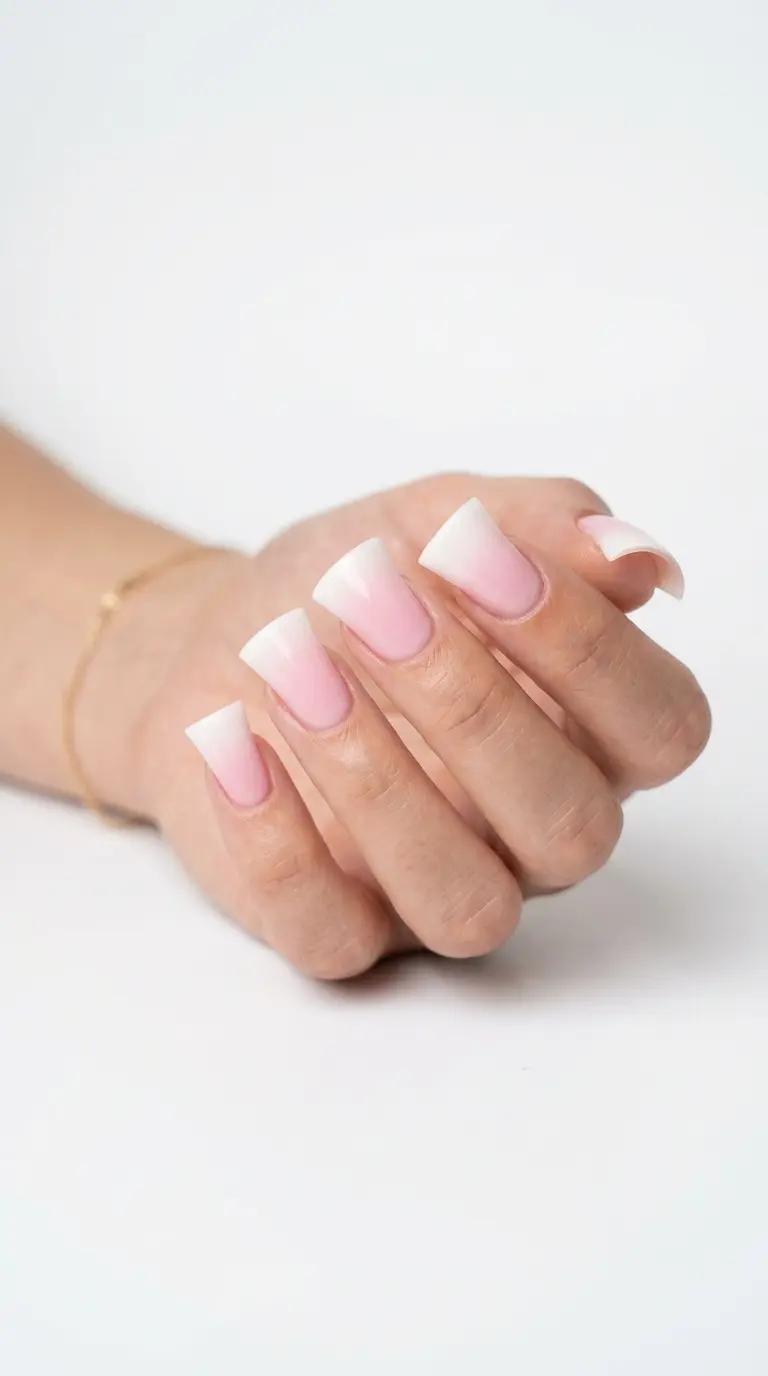
Ombre designs work incredibly well on short duck nails because the widening shape at the tip gives the gradient a bit more room to spread out and blend smoothly. I often use a sponge technique to create a soft transition between two complementary shades, fading from a deeper color near the cuticle into a lighter shade toward the flared tip.
Soft pink to white, nude to shimmer gold and lilac to white are some of my most requested ombre combinations for short duck nails. The flared shape almost enhances the gradient effect, since the widening tip naturally draws the eye toward that lighter, softer color at the edge.
Glitter And Chrome Finishes On Short Duck Nails
For clients who want a bit more shine, chrome and glitter finishes look absolutely stunning on short duck nails. The slightly wider surface at the tip catches light beautifully, especially with a chrome powder finish that creates a mirror like effect across the entire nail.
I usually apply glitter as either a full coverage design or as an accent near the flared tip, depending on how bold the client wants the final look to be. A full chrome finish across all ten short duck nails creates a striking, eye catching effect that photographs incredibly well, especially in natural light.
Must Read : Summer Flower Nail Designs That Will Bloom Beautifully On Your Hands All Season Long
Minimalist Short Duck Nails For Everyday Wear
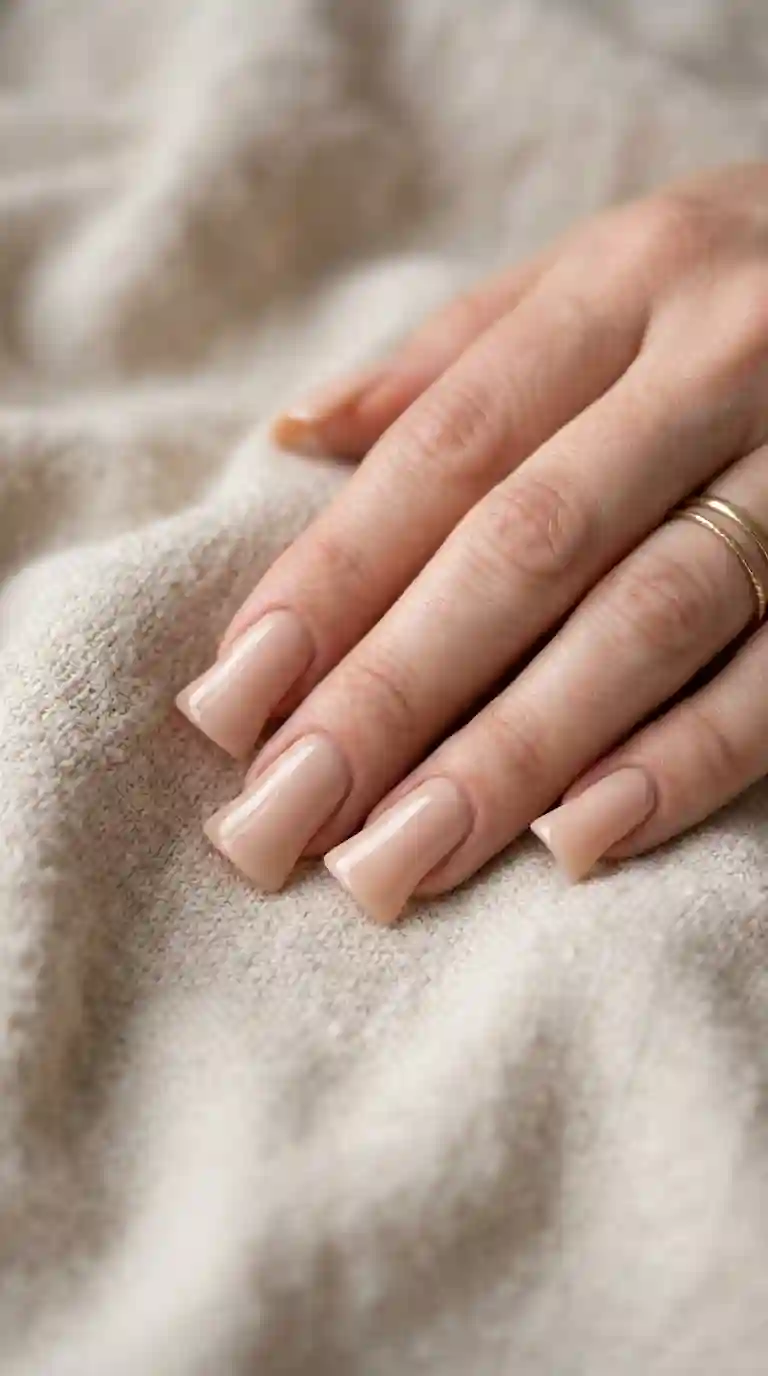
Not every client wants elaborate nail art, and that is completely fine when it comes to short duck nails. Sometimes the shape alone provides enough visual interest without needing any extra design work on top. A simple, glossy nude or soft pink shade allows the unique flared silhouette to remain the main focus.
I often recommend this minimalist approach to clients who are trying short duck nails for the first time, since it lets them get comfortable with the new shape before committing to more detailed nail art. Once they feel confident with the shape itself, many clients naturally start requesting more elaborate designs in future appointments.
Short Duck Nails For Acrylic Applications
Acrylic tends to be one of the most reliable methods for achieving crisp, well defined short duck nails, since the material allows for precise sculpting of that flared edge. I usually apply the acrylic slightly wider than the natural nail bed near the tip, then carefully file the sides to create the gradual widening shape that defines this style.
Working with acrylic also allows for more consistency across all ten nails, since the material can be shaped identically on each finger rather than relying entirely on the natural variation of each nail bed. This makes acrylic a popular choice among clients who want their short duck nails to look perfectly uniform.
Short Duck Nails For Gel Applications
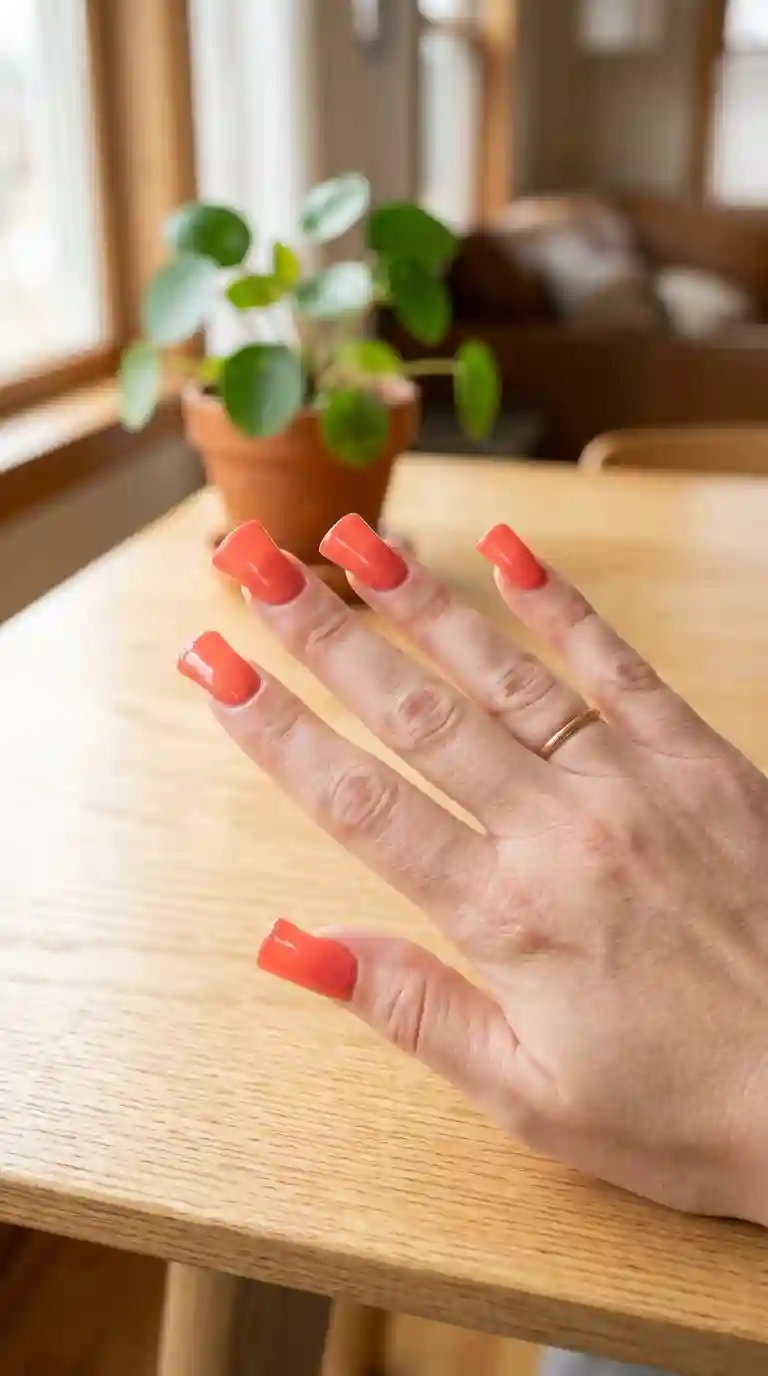
Gel extensions offer a slightly more flexible, natural feeling alternative for clients who want short duck nails without the rigidity sometimes associated with traditional acrylic. Gel tends to have a bit more give, which some clients find more comfortable for everyday activities like typing or cooking.
The shaping process for gel remains fairly similar to acrylic, though gel often requires a bit more precision during the curing process to maintain that clean flared edge. I personally enjoy working with gel for short duck nails when a client wants a slightly softer, more natural looking finish compared to the sometimes more rigid appearance of acrylic.
How To Maintain Short Duck Nails Between Appointments
Maintaining short duck nails between salon visits requires a bit more attention than a standard shape, simply because the flared edge can start to lose its defined silhouette as the nail naturally grows out. I always recommend a light filing touch up around the two week mark to keep that clean flare intact.
Moisturizing the cuticles daily also helps keep the surrounding skin healthy, which in turn supports better nail growth and reduces the likelihood of breakage near that wider flared tip. Since the tip of short duck nails is slightly more exposed compared to a rounded or square shape, being a little more careful with daily activities helps prevent accidental chips or breaks.
Also Read : Cat Eye Nail Ideas That Will Instantly Transform Your Manicure Into Pure Magic
Common Mistakes When Shaping Short Duck Nails
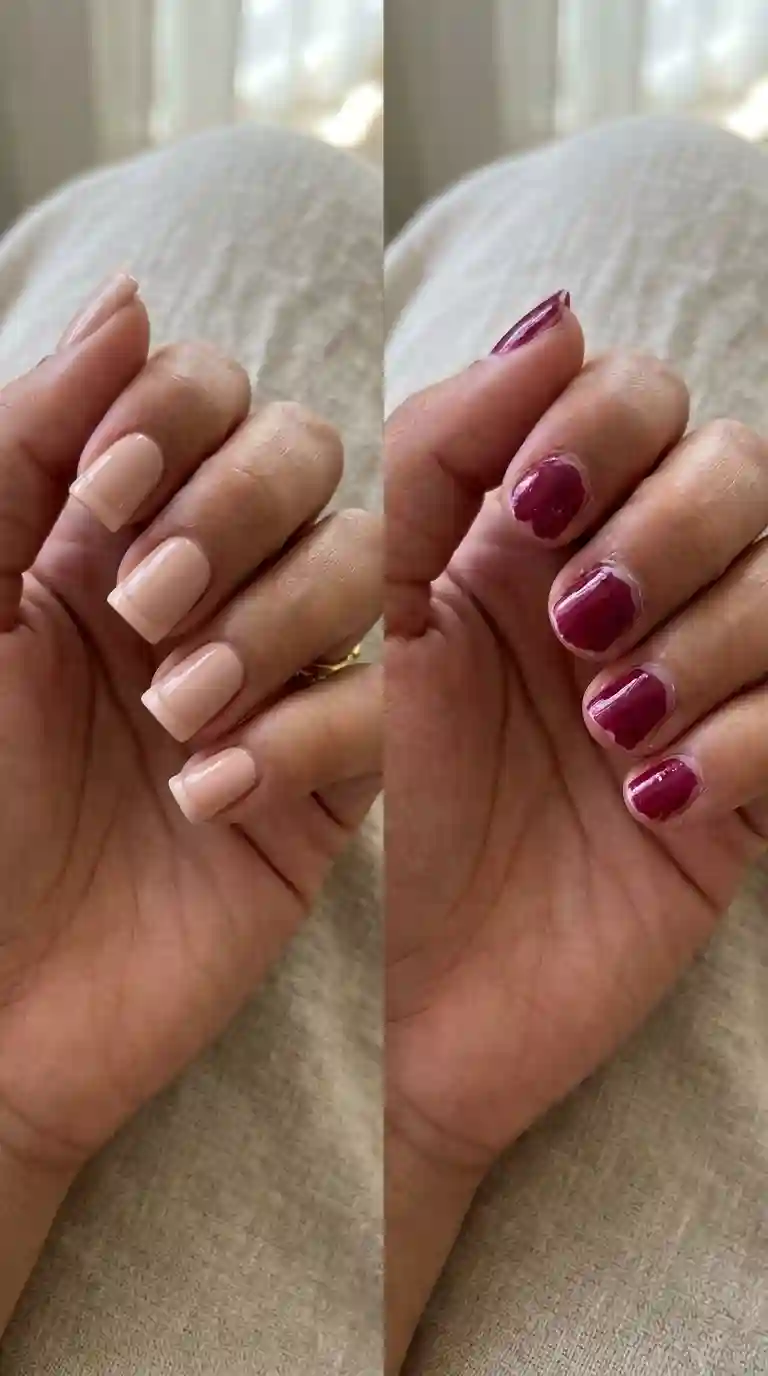
After shaping short duck nails for so many clients, I have noticed a handful of common mistakes that tend to come up, especially for anyone attempting this shape for the first time. One frequent issue is filing the flare too aggressively, which can create a sharp, unnatural angle rather than the smooth, gradual widening that defines the shape properly.
Another common mistake is inconsistency between nails. Since short duck nails rely on a precise, matching flare across all ten fingers, even small differences in angle or width become noticeable once polish is applied. Taking the time to compare nails side by side throughout the filing process really helps avoid this issue.
Rushing the shaping process in general tends to be the biggest culprit behind uneven results. Short duck nails require a bit more patience compared to simpler shapes, and taking the extra time during filing makes a significant difference in how polished and professional the final shape looks.
Short Duck Nails For Beginners Trying The Shape At Home
If you want to try shaping short duck nails at home before booking a salon appointment, starting slowly is key. Begin by filing your nails into a basic square shape first, then gradually angle the sides near the tip outward in small increments, checking your progress frequently rather than filing too much at once.
Using a glass or fine grit file rather than a coarse one gives you more control during this process, which is especially helpful when attempting a shape like this for the first time. Practicing on one nail first before moving to the rest of your hand also helps you get a feel for the correct angle before committing to the full set.
Short Duck Nails For Different Nail Lengths And Hand Sizes
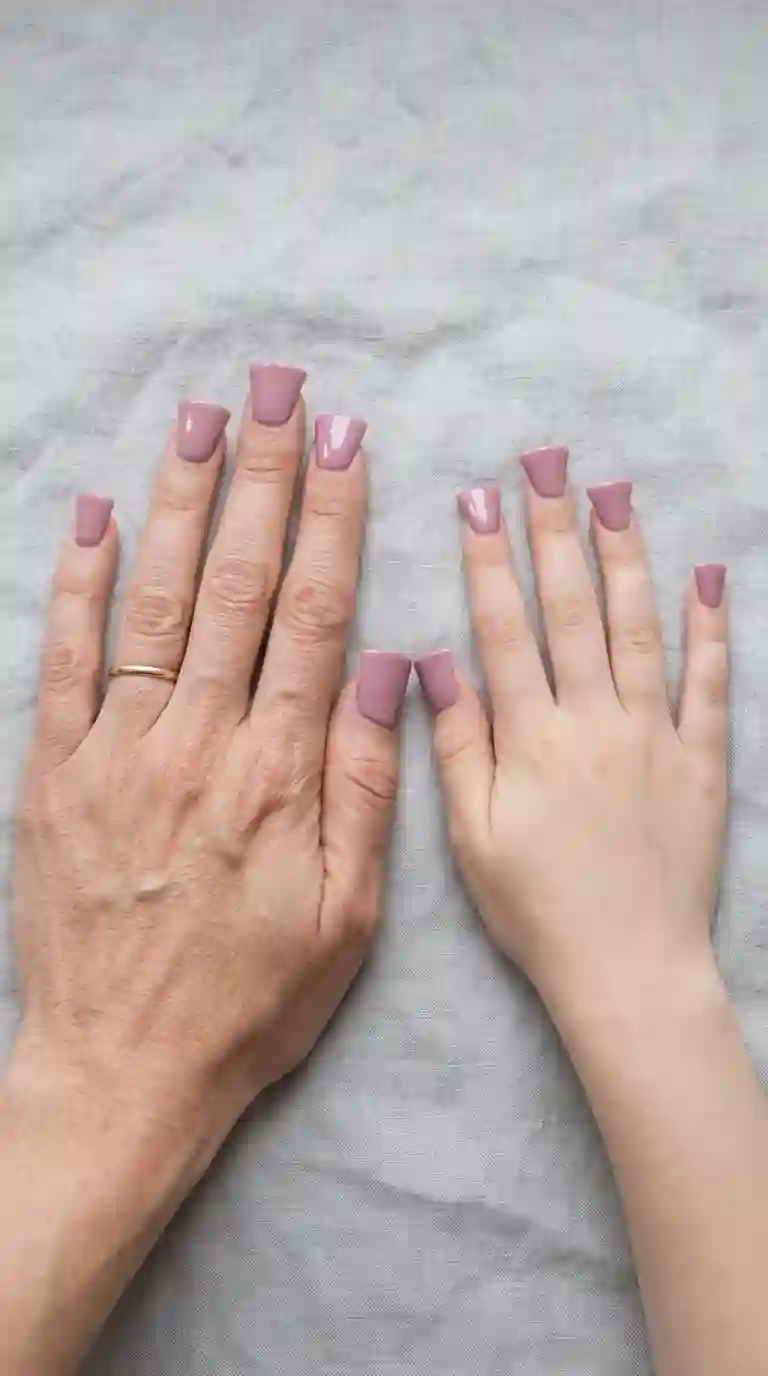
Hand size and finger length can influence how short duck nails ultimately look, and adjusting the shape slightly based on these factors tends to give the most flattering result. For clients with smaller hands or shorter fingers, I usually keep the flare a bit more subtle, since a dramatic widening effect can sometimes overwhelm a smaller nail bed.
For clients with longer fingers, a slightly more pronounced flare tends to look proportionate and striking, since there is simply more nail surface to work with when creating that distinctive silhouette. Adjusting these small details based on individual hand proportions is part of what makes short duck nails feel personalized rather than a one size fits all trend.
Pairing Short Duck Nails With Different Nail Art Styles
Beyond solid colors and simple gradients, short duck nails can absolutely handle more intricate nail art styles as well. Floral designs, abstract line work and even delicate marble effects all translate beautifully onto this shape, since the flared tip provides a slightly different canvas compared to more traditional nail shapes.
I often encourage clients to think about how a design will flow with the natural widening of the nail rather than against it. Curved lines and organic shapes tend to complement short duck nails particularly well, since they echo the natural flow of the flared silhouette rather than fighting against it.
How Long Do Short Duck Nails Typically Last
The lifespan of short duck nails depends largely on the application method used, whether that is acrylic, gel or natural nail shaping. Acrylic and gel extensions generally last around three to four weeks before requiring a fill, similar to other extension methods, though the flared shape itself may need a touch up sooner to maintain its clean silhouette.
For clients shaping short duck nails on their natural nails, the shape will naturally shift somewhat as the nail grows, typically requiring a refresh every one to two weeks to keep that defined flare looking crisp and intentional rather than blurred by regrowth.
Caring For Your Natural Nails Underneath Short Duck Nails
Regardless of whether you choose extensions or natural nail shaping, taking care of the nail bed underneath short duck nails matters just as much as the shape itself. I always recommend applying cuticle oil daily, which keeps the surrounding skin hydrated and supports healthier nail growth over time.
If you regularly wear extensions to achieve short duck nails, taking occasional breaks between applications gives your natural nails time to recover and stay strong. Healthy nails underneath not only support a better looking shape, they also reduce the likelihood of breakage or lifting between salon visits.
Read Also : 45 Fall Dip Nail Ideas That’ll Make You Want to Book an Appointment Right Now
Final Thoughts On Short Duck Nails
After shaping short duck nails for so many clients over the past couple of years, I can confidently say this trend has earned its place as a fun, wearable alternative to more extreme nail shapes. It gives you all the personality and visual interest of a flared silhouette without the commitment that comes with dramatic length.
Whether you prefer a simple glossy color that lets the shape speak for itself, or a more detailed design with ombre, glitter or french tips, there is a version of short duck nails that fits your personal style and comfort level. My biggest piece of advice, both as someone who shapes this style regularly and someone who genuinely enjoys experimenting with new nail trends, is to be patient during the shaping process and trust that the finished result is worth the extra attention.
Frequently Asked Questions About Short Duck Nails
What exactly are short duck nails?
Short duck nails are a nail shape featuring a flared, widening tip similar to a duck bill, kept at a shorter length compared to the more dramatic original duck nail trend.
Are short duck nails hard to maintain?
They require a bit more upkeep than standard shapes, since the flared edge can lose definition as the nail grows out, but regular filing touch ups keep the shape looking clean.
Can short duck nails be done on natural nails?
Yes, as long as your natural nails have enough length and strength to support the flared shape, though extensions can help for shorter or more fragile nail beds.
How short should short duck nails be?
Most clients keep the length between just past the fingertip and about a quarter inch beyond it, which allows a visible flare without extreme length.
What is the best material for short duck nails?
Both acrylic and gel work well. Acrylic offers more precise sculpting for the flared edge, while gel provides a softer, more flexible feel.
What nail art works best on short duck nails?
French tips, ombre gradients, chrome finishes and simple solid colors all look beautiful on this shape, since the flared tip adds visual interest on its own.
Are short duck nails good for beginners trying a new shape?
Yes, they offer a more approachable way to try the flared duck silhouette without committing to the extreme length of the original trend.
Is the duck nail trend still popular?
Yes, and the shorter version has become especially popular recently since it offers a wearable, everyday friendly take on the original bold trend
.
3 Comments